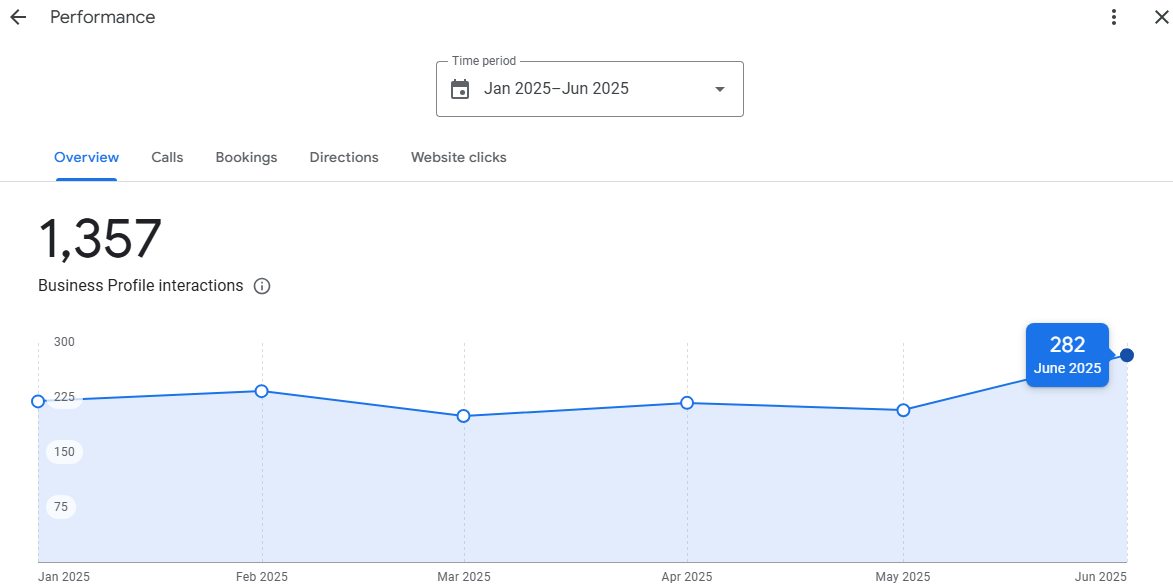
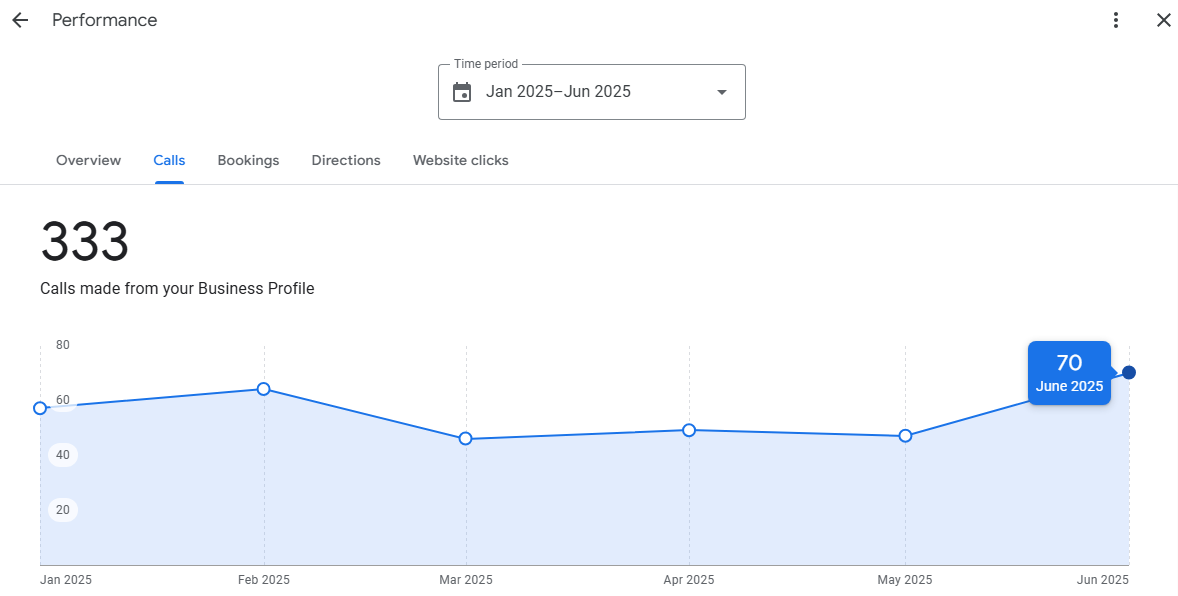
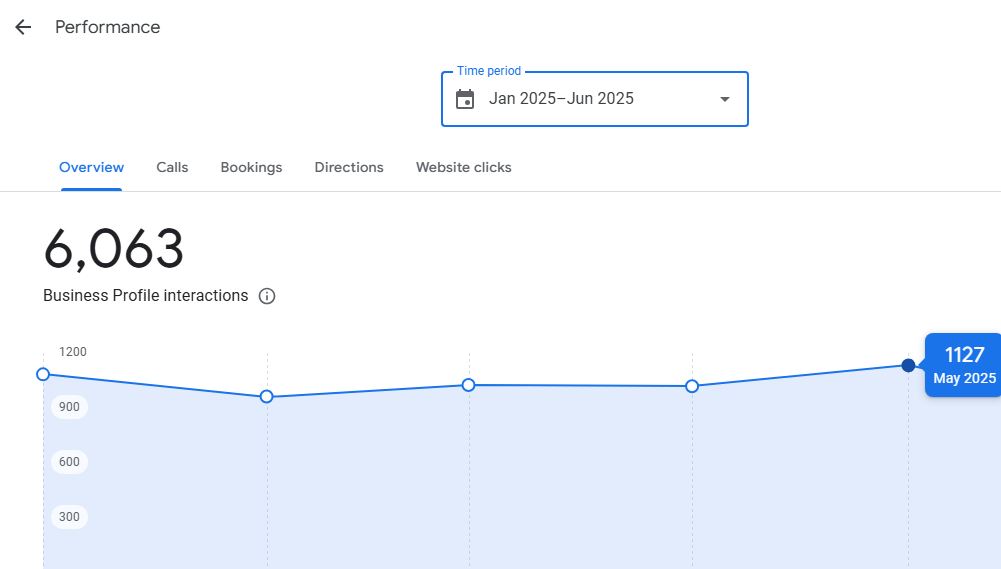
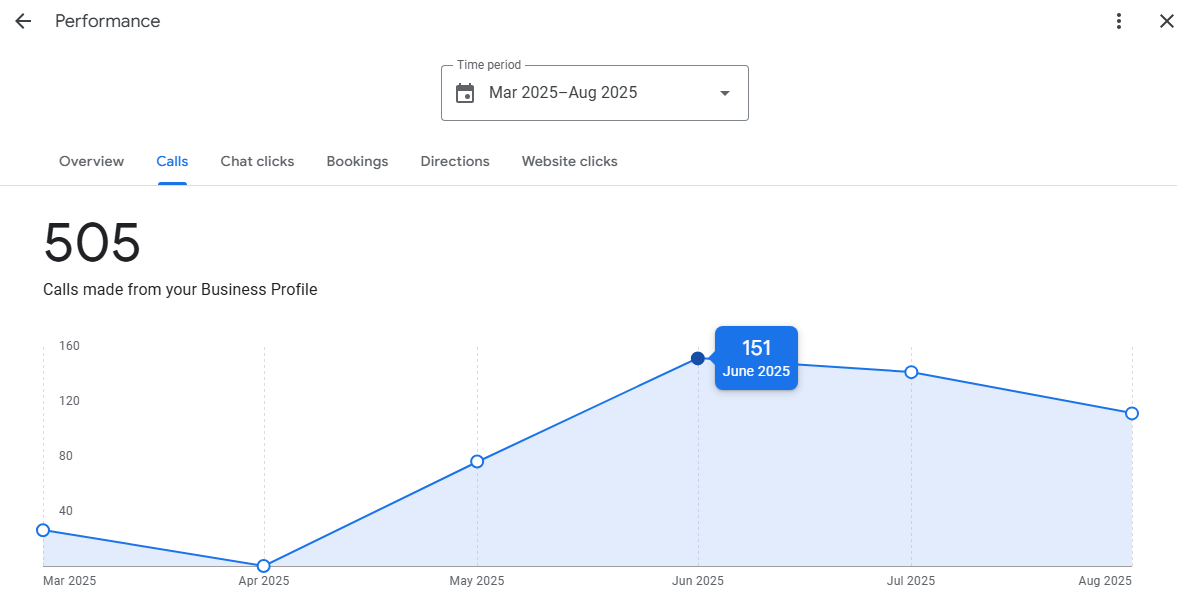
In today’s digital-first world, most customers turn to Google when they need a nearby service. Whether it’s “best pizza near me”, “dentist in Chicago”, or “emergency plumber in Houston”, people want solutions fast — and they want them close by. That’s where Local SEO comes in.
If your business isn’t showing up in those local searches, you’re invisible to potential customers who are ready to buy. This guide will walk you through what Local SEO is, why it matters, how it works, and what sets it apart from standard SEO. We’ll also show you real-world examples and point you to in-depth resources from Rank With Manish for industry-specific strategies.
What is Local SEO?
Local SEO (Local Search Engine Optimization) is the process of optimizing your business’s online presence so it appears in Google’s local search results, including the map pack, Google Maps, and localized organic results.
For example:
-
A search for “plumber near me” shows a map with three local businesses at the top (the “map pack”).
-
A search for “pest control in Dallas” shows both local service providers and websites optimized for that city.
In short, Local SEO ensures that your business shows up when people nearby are searching for your products or services.
Who Needs Local SEO?
Any business that serves a geographic area can benefit from local SEO:
-
Service businesses like plumbers, electricians, pest control, and HVAC companies
-
Healthcare providers like dentists, chiropractors, and doctors
-
Hospitality businesses like hotels and restaurants
-
Local retailers and salons
-
Wedding photographers and event planners
Want industry-specific strategies? Check out:
Why is Local SEO Important?
Let’s look at the numbers:
-
46% of all Google searches have local intent.
-
78% of mobile local searches result in an offline purchase.
-
76% of people who search for something nearby visit a business within a day.
These stats highlight one thing: local searches = high purchase intent.
Unlike broad informational searches, local searches often mean the customer is ready to take action. For example:
-
“Best dentist near me” → likely booking an appointment
-
“24-hour plumber in Houston” → immediate service needed
-
“Italian restaurant in Miami Beach” → ready to dine tonight
If your business isn’t optimized for local SEO, you’re losing these ready-to-buy customers to competitors who are.
Learn more: Why Local SEO is Important for Your Business.
How Does Local SEO Work?
Local SEO is powered by Google’s local search algorithm, which relies on three core factors:
1. Relevance
How well does your business match what the searcher is looking for?
-
Example: If someone searches “orthodontist near me”, a verified orthodontist will outrank a general dentist.
-
Your Google Business Profile (GBP) description, categories, and services help establish relevance.
Related guide: SEO for Dentists – Boost Online Presence.
2. Distance
How close is your business to the searcher (or the location term in their query)?
-
Google calculates distance using the searcher’s GPS, IP, or stated location.
-
Example: If someone searches “pizza in Brooklyn”, a pizzeria located in Brooklyn will rank higher than one in Manhattan.
3. Prominence
How well-known and trusted is your business online?
-
Reviews, ratings, backlinks, citations, and online mentions all build prominence.
-
Example: A carpet cleaning service with hundreds of positive Google reviews and backlinks from local directories will likely outrank one with little online presence.
Dive deeper: Carpet Cleaning SEO – The Key to Growing Your Business.
Difference Between Local SEO and Standard SEO
It’s easy to confuse local SEO with traditional (national) SEO, but there are key differences:
| Feature | Local SEO | Standard SEO |
|---|---|---|
| Target audience | Local customers within a geographic area | National or global audience |
| Search results | Map Pack, Google Maps, local organic listings | Organic results, no map pack |
| Ranking factors | Relevance, distance, prominence | Relevance, authority, backlinks |
| Content focus | Location-based content, local keywords, citations | Broad content, general keywords |
| Business type | Service-area businesses, brick-and-mortar stores | E-commerce, national brands, blogs |
Example:
-
Searching “wedding photography tips” shows national blogs with guides.
-
Searching “wedding photographer in Miami” shows local businesses with map pack results.
Read more: Difference Between Local and Organic SEO.
Real-World Examples of Local SEO in Action
Example 1: Local Plumber
A plumber in Dallas optimized their Google Business Profile, added consistent NAP citations, and built location-specific landing pages like “Emergency Plumbing Dallas.”
Result: A 40% increase in calls from Google Maps within 3 months.
Learn how: Local SEO for Plumbers.
Example 2: Dentist Office
A dentist invested in reviews management and schema markup for services like teeth whitening and orthodontics.
Result: 60% more appointment bookings through “near me” searches.
Related: Why Dentists Should Invest in SEO.
Example 3: Pest Control Service
A pest control company created location-specific service pages (e.g., “Termite Control in Phoenix”), optimized their GBP with high-quality photos, and built backlinks from local directories.
Result: 3x more leads from local searches compared to paid ads.
See strategies: Pest Control SEO.
Local SEO vs Paid Ads (Quick Note)
Some business owners ask: “Why not just run Google Ads instead of Local SEO?”
The difference:
-
Paid Ads = Immediate visibility, but stops when you stop paying.
-
Local SEO = Long-term visibility, builds trust, and often delivers a higher ROI over time.
Both have their place, but Local SEO is like building digital real estate that keeps paying off.
Transition to Next Section
Now that you understand what Local SEO is, why it matters, and how it works, the next step is learning how to optimize your business for it step by step.
In Part 2, we’ll dive into the core strategies:
-
Optimizing your Google Business Profile
-
Building consistent citations
-
Collecting and managing reviews
-
Local content creation and backlinks
-
Mobile and voice search optimization
Meanwhile, if you want an overview: Guide to Local SEO Services.
How to Optimize for Local SEO: Step-by-Step Strategies
Now that you understand the foundations of Local SEO, it’s time to roll up your sleeves and implement strategies that actually move the needle. Local SEO isn’t about guessing — it’s about building a strong digital footprint that signals to Google (and your customers): “This business is trustworthy, relevant, and nearby.”
In this section, we’ll cover core strategies for ranking higher in local searches, driving foot traffic, and winning more customers. Each step builds on the last, so follow this playbook in order.
Step 1: Optimize Your Google Business Profile (GBP)
Your Google Business Profile (formerly Google My Business) is the backbone of Local SEO. It’s what feeds your business info into Google Maps, the Local Pack, and even AI Overviews.
Why It Matters
-
Businesses with complete GBPs get 70% more visits than those with incomplete profiles.
-
50% of users are more likely to consider buying from businesses with complete profiles.
How to Optimize Your GBP
-
Claim and Verify Your Profile
Visit Google Business Profile Manager and verify ownership via phone, email, or postcard. -
Complete Every Field
-
Business name (exact, no keyword stuffing)
-
Address and phone number (consistent with your website)
-
Business category and services
-
Website link (preferably to a location/service page, not just homepage)
-
Hours, including holiday hours
-
-
Add High-Quality Photos & Videos
Photos of your storefront, team, and services can boost engagement by up to 35% more clicks. -
Post Regular Updates
Share offers, events, or new blog posts (like Google My Business Optimization). -
Encourage and Respond to Reviews
More on this in Step 4 — but remember, reviews build trust and prominence.
Industry-specific tip: For service providers like plumbers or electricians, clearly list service areas and add photos of completed work. See: SEO for Plumbers – The Ultimate Guide.
Step 2: Conduct Local Keyword Research
Keywords with local intent tell Google that your business is a local solution.
How to Find Local Keywords
-
Search Google Directly
Look at “People also ask” and “People also search for” suggestions. -
Use Tools
-
Google Keyword Planner (set location to your city)
-
Semrush or Ahrefs for competitor research
-
-
Think Like a Customer
-
General terms: “dentist near me”
-
Service-specific terms: “emergency root canal dentist Chicago”
-
Value-driven terms: “affordable carpet cleaning Dallas”
-
Related guide: Is Keywords and SEO the Same Thing?
Assign Keywords to Pages
-
Homepage → broad keyword (“plumber in Dallas”)
-
Service pages → specific keywords (“water heater repair Dallas”)
-
Blog posts → educational, long-tail queries (“how to fix a leaky faucet”)
Example: A Wedding Photographer SEO guide may target “wedding photographer Miami” on the homepage and “best wedding photography packages in Miami” on service pages.
Step 3: On-Page SEO for Local Businesses
Your website is still central to local SEO. Google uses your site to confirm relevance and location.
Key On-Page SEO Elements
-
Meta Titles & Descriptions
-
Include service + location.
-
Example: “Emergency Plumber in Dallas | 24/7 Plumbing Services”
-
-
Header Tags (H1, H2, H3)
-
Use local keywords naturally.
-
-
NAP Consistency
-
Display Name, Address, and Phone on every page footer.
-
-
Embed Google Maps
-
Add an interactive map on your Contact page.
-
-
Schema Markup (Structured Data)
-
Use
LocalBusinessschema for addresses, hours, services. -
Boosts AI Overviews and Knowledge Panel results.
-
Learn more: How to Optimize Your Business for Local SEO.
Step 4: Collect and Manage Customer Reviews
Reviews are a ranking factor and a conversion driver.
Why Reviews Matter
-
92% of consumers read reviews before choosing a local business.
-
Businesses with more positive reviews get higher click-through rates.
How to Get Reviews
-
Ask Consistently
After service completion, ask customers for reviews. -
Make It Easy
Share direct review links via email or receipts. -
Encourage Specifics
Ask customers to mention services + location in their review.
Example: “John’s Plumbing fixed my water heater in Dallas within 2 hours.”
How to Manage Reviews
-
Reply to all reviews — positive and negative.
-
Stay professional and empathetic in negative responses.
Read: Questions to Ask Before Hiring a Local SEO Expert — reviews are often discussed here.
Step 5: Build Consistent Citations
Citations = online mentions of your business’s name, address, and phone number (NAP).
Why Citations Matter
They confirm to Google that your business is real, local, and trustworthy.
Where to Build Citations
-
Big directories: Yelp, Yellow Pages, Bing Places, Apple Maps
-
Industry directories: Avvo (lawyers), ZocDoc (doctors), Houzz (contractors)
-
Local directories: Chamber of Commerce, city business directories
See: Local SEO for Small Business.
Pro Tip
-
Keep NAP data 100% consistent. Even small differences like “St.” vs “Street” can cause issues.
-
Use tools like Moz Local, BrightLocal, or Semrush Listings Manager.
Step 6: Earn Local Backlinks
Backlinks are still a top SEO ranking factor, including locally.
Local Link-Building Strategies
-
Partner with Local Businesses
Get listed on partner websites (suppliers, distributors). -
Sponsor Local Events
Example: Sponsor a youth sports team → earn a backlink from their site. -
Join Local Associations
Chamber of Commerce backlinks are highly trusted. -
Leverage Local PR
Pitch local newspapers or blogs with community-focused stories.
👉 Deep dive: Unlocking Success with Roofing SEO.
Step 7: Create Localized Content
Content marketing is the long-term engine of local SEO.
Local Content Ideas
-
Service area pages: “HVAC Services in Austin”
-
Blog posts: “Best thermostat settings for summer in Dallas”
-
Local guides: “Top 10 wedding venues in Miami”
-
Case studies: Highlight successful local projects
Learn more: Creating SEO-Friendly Wedding Content.
Pro Tip
Use your blog to interlink with industry guides like:
This strengthens topical authority.
Step 8: Optimize for Mobile and Voice Search
More than 60% of local searches happen on mobile, and voice search queries are growing rapidly.
How to Optimize
-
Ensure mobile-first design (fast load times, easy navigation).
-
Use conversational keywords (e.g., “Who is the best dentist in Chicago?”).
-
Add FAQ sections to answer common voice-search questions.
See: How to Improve Local Search Rankings Effectively.
Step 9: Leverage Social Media for Local Engagement
Social signals indirectly influence SEO by driving traffic and engagement.
Tips
-
Share local events, promotions, and community involvement.
-
Use location hashtags (e.g., #DallasPlumber, #ChicagoDentist).
-
Encourage check-ins and shares.
Learn more: Power of SEO for Small Business Growth.
Step 10: Monitor and Measure Results
Local SEO is ongoing — you need to track progress.
Tools to Use
-
Google Search Console → tracks organic traffic
-
Google Analytics → monitors conversions
-
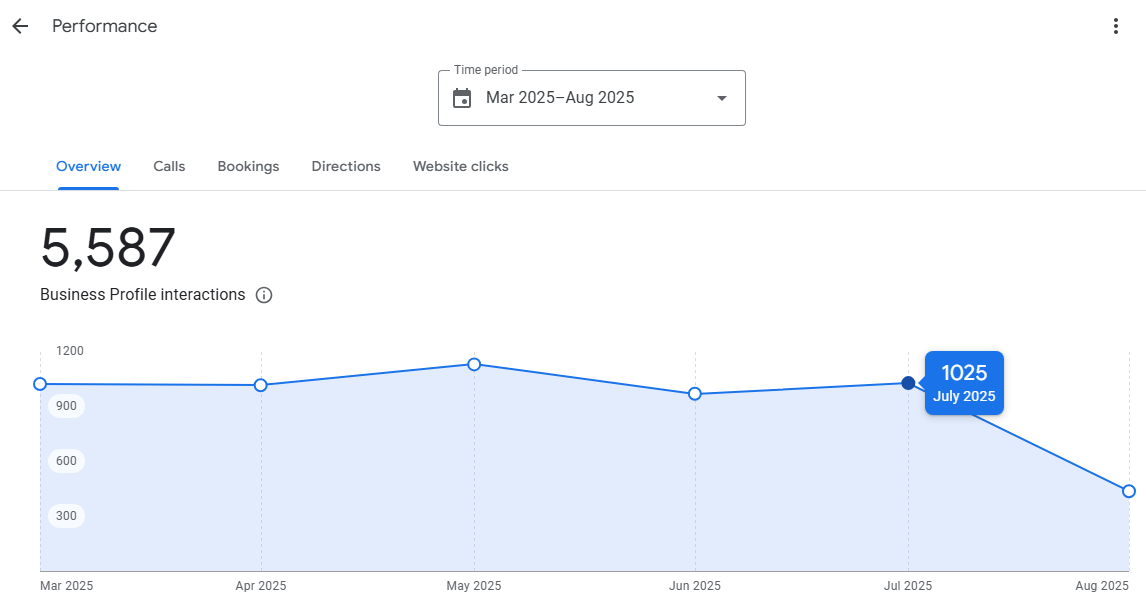
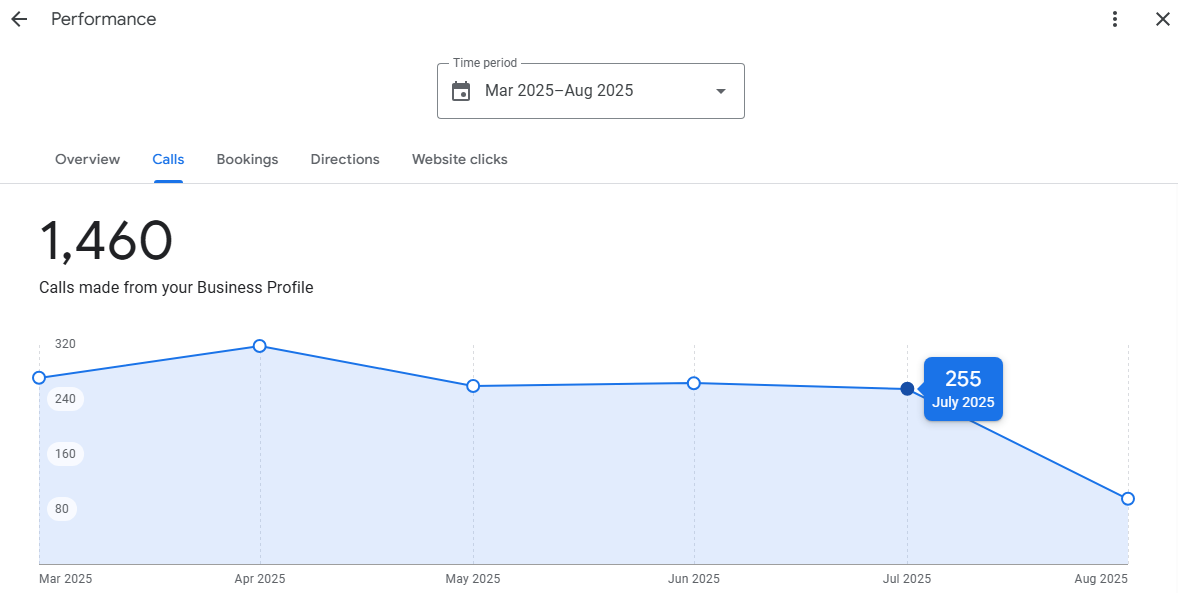
GBP Dashboard → tracks calls, directions, clicks
-
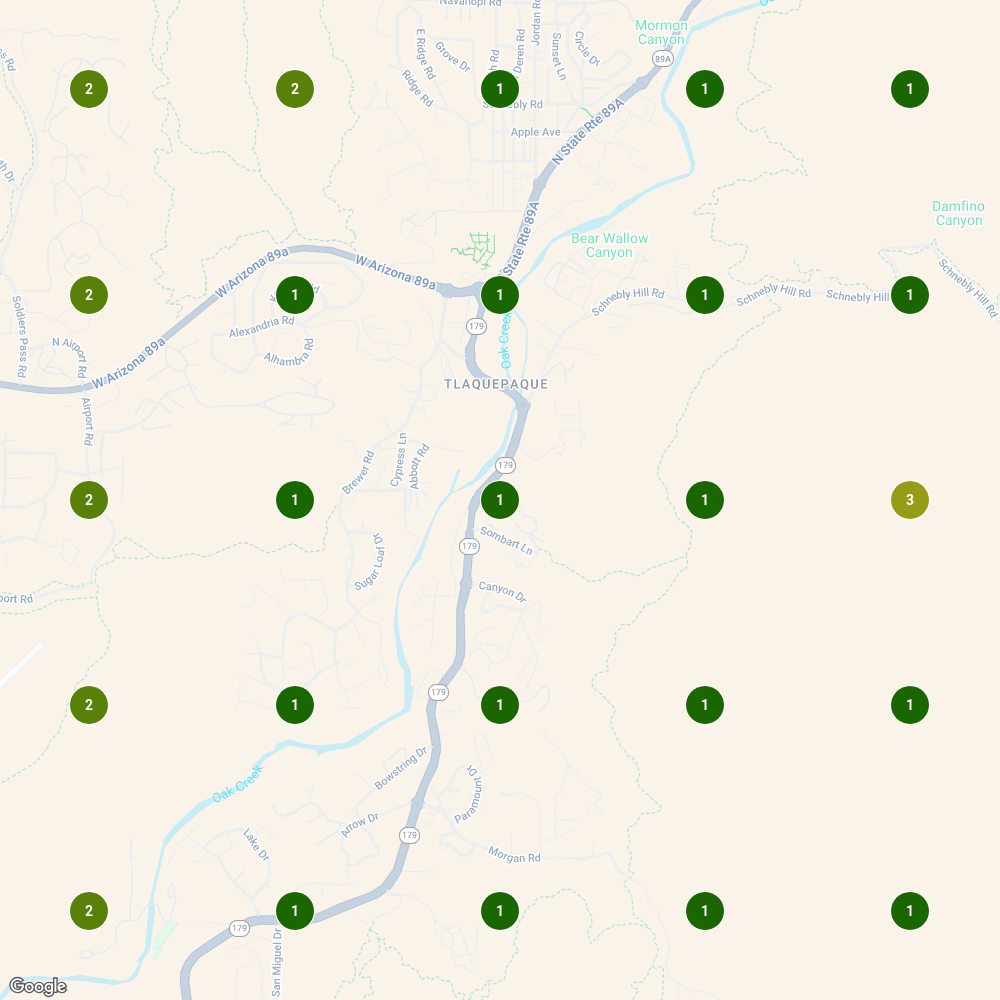
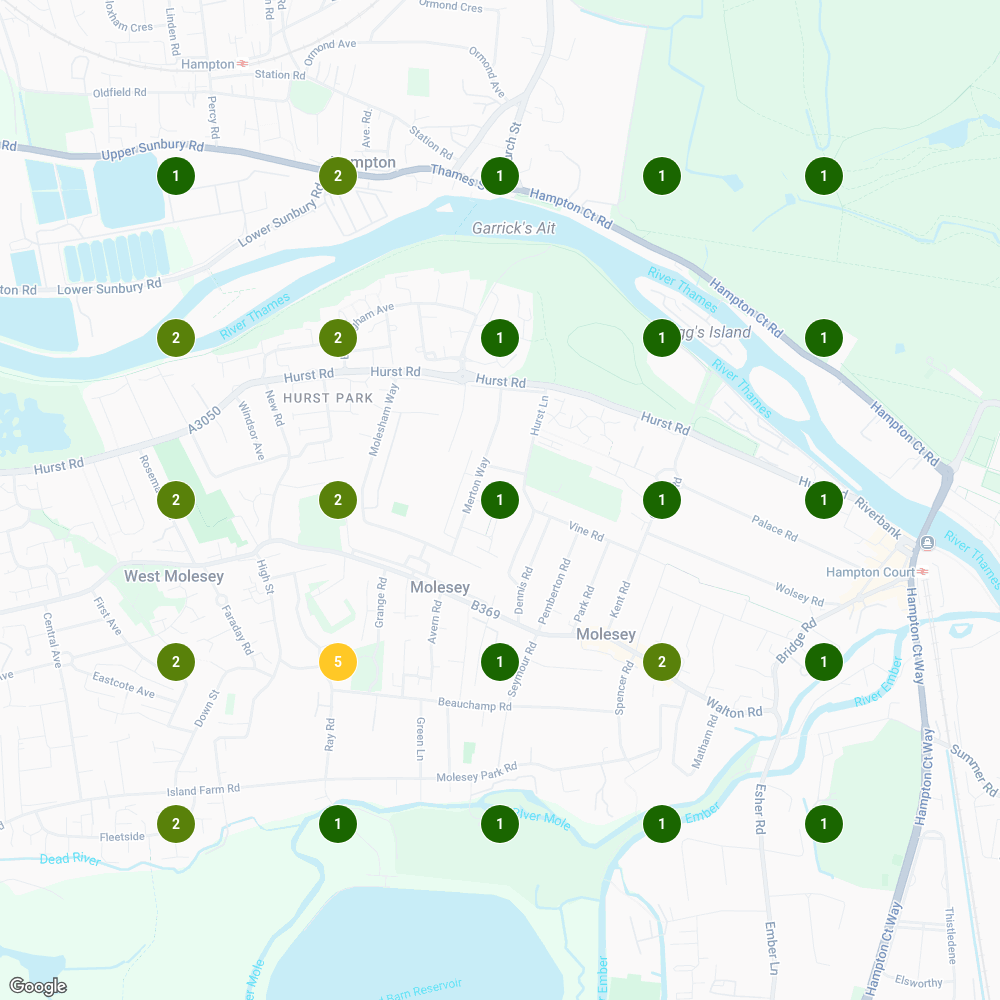
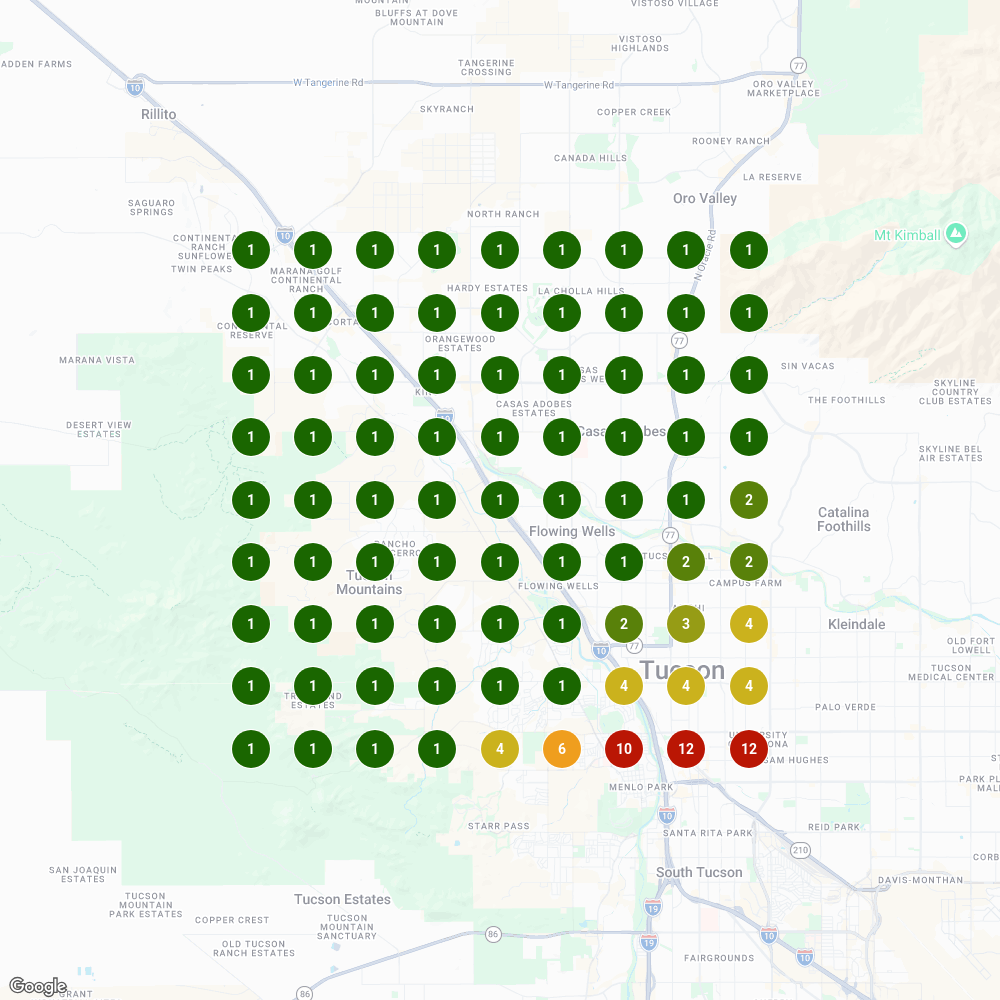
Grid My Business / Local Rank Trackers → shows map pack rankings
Related: SEO Case Studies
Industry Case Studies
Case Study 1: Roofing Contractor
-
Created service area pages for multiple cities.
-
Earned backlinks from local suppliers.
-
Optimized GBP with before/after project photos.
Result: 3x more calls within 6 months.
Full strategy: SEO for Roofing Contractors.
Case Study 2: Carpet Cleaning Business
-
Built consistent NAP citations.
-
Published guides on stain removal tips.
-
Encouraged customer reviews.
Result: Dominated “carpet cleaning near me” searches in 3 cities.
Read: Carpet Cleaning SEO Services.
Transition to Next Section
By now, you know how to set up and optimize your local SEO strategy step by step — from Google Business Profile to reviews, citations, and content.
But local SEO is evolving fast. With AI Overviews, voice assistants, and new Google updates, businesses need to future-proof their strategy.
In Part 3, we’ll cover:
-
Advanced Local SEO tactics
-
Common pitfalls to avoid
-
The future of local search (AI, AR, and more)
-
FAQs for business owners
Meanwhile, check out: Guide to Hiring a Local SEO Expert.
Advanced Local SEO Tactics, The Future of Search, and FAQs
So far, we’ve explored the foundations of local SEO (Part 1) and the step-by-step strategies you can implement right now (Part 2).
But if you want to stay ahead of competitors and rank in AI-driven search, you’ll need to move beyond the basics. This section covers advanced tactics, insights into the future of local SEO, answers to frequently asked questions, and a clear roadmap to help your business dominate in 2025 and beyond.
Advanced Local SEO Tactics
These strategies are often overlooked, but they can give you a competitive edge — especially in saturated local markets like dentists, plumbers, lawyers, and restaurants.
1. Optimize for Google’s AI Overviews
Google is testing AI-generated summaries at the top of search results (known as AI Overviews). These often appear before the Map Pack.
Example: Searching “best emergency plumber near me” may now show an AI answer listing top providers before the traditional map listings.
How to Appear in AI Overviews
-
Ensure your Google Business Profile is fully optimized and up-to-date.
-
Add structured data (schema) for services, reviews, and location.
-
Encourage reviews that mention specific services + locations (e.g., “affordable emergency plumber in Dallas”).
-
Publish helpful, detailed content that answers FAQs and service-related queries.
Related guide: How to Leverage Google My Business for Local SEO.
2. Build Hyperlocal Content Hubs
While most businesses create one location page per city, the next level is building hyperlocal content hubs that cover neighborhoods, zip codes, and districts.
Example:
-
City Page: Plumbing Services in Dallas
-
Neighborhood Pages: Plumbing in Oak Lawn, Plumbing in Uptown Dallas, Plumbing in Bishop Arts District
This approach allows you to capture niche local searches that bigger competitors ignore.
Try: Local SEO for Plumbers.
3. Use Advanced Schema Markup
Schema (structured data) is often underutilized. Adding detailed schema signals to Google: “This business is real, here’s exactly what it does.”
Types of Schema for Local Businesses
-
LocalBusiness → basic details (address, phone, hours)
-
Service → describes services you provide
-
Review → highlights customer reviews
-
FAQPage → helps you win Featured Snippets and voice search queries
See: Local SEO Comprehensive Overview.
4. Leverage Video for Local SEO
Videos help businesses stand out in SERPs, especially when uploaded to YouTube and embedded on websites.
Video Ideas for Local Businesses
-
Service walkthroughs (e.g., “How our roof inspections work”)
-
Customer testimonials
-
Before-and-after transformations
-
Community involvement (e.g., sponsoring local events)
Pro tip: Add location keywords in titles, descriptions, and captions. Example: “Best Wedding Photographer in Miami | Client Testimonial.”
Related: SEO for Wedding Photographers.
5. Local PR and Digital PR
Local SEO isn’t just about citations — it’s about earning high-authority mentions from local media and organizations.
-
Pitch stories to local newspapers and blogs.
-
Issue press releases for events, expansions, or awards.
-
Collaborate with local influencers to build brand credibility.
6. AI & Automation in Local SEO
AI tools can now help with:
-
Generating optimized GBP posts
-
Automating review replies
-
Finding missed keyword opportunities
-
Tracking rankings across different zip codes
But remember: AI assists, humans convert. Always edit AI-generated content for authenticity.
See: Transform Your Business with Local SEO Strategies.
Common Local SEO Mistakes to Avoid
Even with the right strategy, many businesses fail due to avoidable mistakes.
-
Inconsistent NAP → Confuses search engines.
-
Ignoring Reviews → Hurts trust and visibility.
-
Thin Location Pages → Duplicate content across multiple areas.
-
Keyword Stuffing in Business Names → Risk of Google penalties.
-
Neglecting Mobile Optimization → Majority of local searches are mobile.
-
Not Tracking Performance → You can’t improve what you don’t measure.
Learn more: How to Improve Local Search Rankings Effectively.
The Future of Local SEO
Local SEO is evolving rapidly, shaped by AI, voice search, and consumer expectations. Here’s what’s next:
1. AI Overviews & Generative Search
We’ve already covered how AI summaries are changing SERPs. Expect them to become more common — especially for “best near me” searches.
Businesses that optimize reviews, schema, and service pages will dominate AI-driven visibility.
2. Voice Search Optimization
By 2026, 50% of all local searches are projected to come from voice assistants.
How to Prepare:
-
Add FAQ sections with conversational answers.
-
Use long-tail, natural language keywords.
-
Example: Instead of optimizing for “dentist Chicago,” also optimize for “Who is the best emergency dentist near me?”
Guide: Why Dentists Should Invest in SEO.
3. Augmented Reality (AR) in Local Search
Imagine pointing your phone at a street and seeing reviews, menus, and promotions pop up. Google and Apple are both investing heavily in AR-driven local search.
Businesses with visual content + structured data will benefit most.
4. Increased Role of Social Proof
Beyond reviews, social mentions and user-generated content (UGC) will play a bigger role in rankings.
-
Instagram check-ins
-
TikTok “near me” trends
-
Community hashtags
5. Personalization in Local Results
Google is getting better at tailoring results to each user. Two people standing on the same street might see different local results depending on:
-
Search history
-
Preferences (e.g., vegetarian-friendly restaurants)
-
Past reviews
Pro tip: Build a strong online reputation across multiple platforms (Google, Yelp, Facebook, TripAdvisor).
FAQs About Local SEO
1. How long does it take to see results from Local SEO?
Most businesses see noticeable results within 3–6 months, depending on competition and consistency.
Read: How Long Does SEO Take to Work?.
2. Do small businesses really need Local SEO?
Yes! Local SEO levels the playing field. A small business with strong local SEO can outrank big brands in its area.
See: Why Local SEO is Important for Small Businesses.
3. Is Local SEO different from Organic SEO?
Yes. Organic SEO targets broad/global searches, while Local SEO focuses on specific geographic locations.
Related: Difference Between Local and Organic SEO.
4. How many reviews do I need to rank in Google’s Local Pack?
There’s no exact number, but businesses with higher volume + quality of reviews tend to outrank competitors. Consistency matters more than quantity.
5. Can I rank in multiple cities with one Google Business Profile?
No. Each physical location needs its own GBP. But you can rank organically with city-specific landing pages even without an office there.
See: Local SEO for Franchises.
6. What industries benefit most from Local SEO?
-
Plumbers
-
Dentists & healthcare providers
-
Restaurants
-
Contractors (roofing, HVAC, carpet cleaning)
-
Wedding photographers & event planners
Explore:
Conclusion: Winning with Local SEO
Local SEO is no longer optional — it’s the lifeline of modern businesses. Whether you’re a plumber in Dallas, a dentist in Chicago, or a wedding photographer in Miami, your customers are searching for you right now.
The businesses that win are the ones that:
-
Optimize their Google Business Profile
-
Build consistent citations
-
Publish local, helpful content
-
Collect authentic reviews
-
Embrace the future (AI Overviews, voice search, AR)
Local SEO isn’t about hacking algorithms — it’s about being the most visible, trustworthy, and convenient option in your community.
Ready to take the next step? Explore these resources:
Author