A Step-by-Step Guide to Local SEO Services
Local SEO services are essential for businesses aiming to increase their visibility within their local communities. Whether you're a small shop or a service-based business, implementing an effective
local SEO
strategy ensures you reach customers in your area. In this step-by-step guide, we’ll break down the process of optimizing your business for local search success.
Step 1: Claim Your Google Business Profile
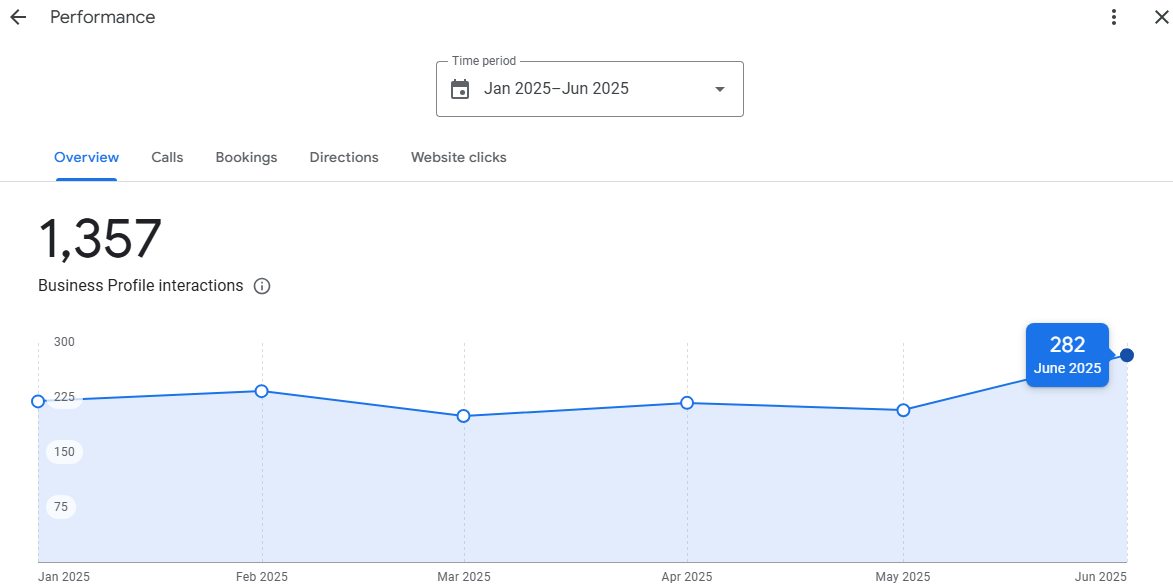
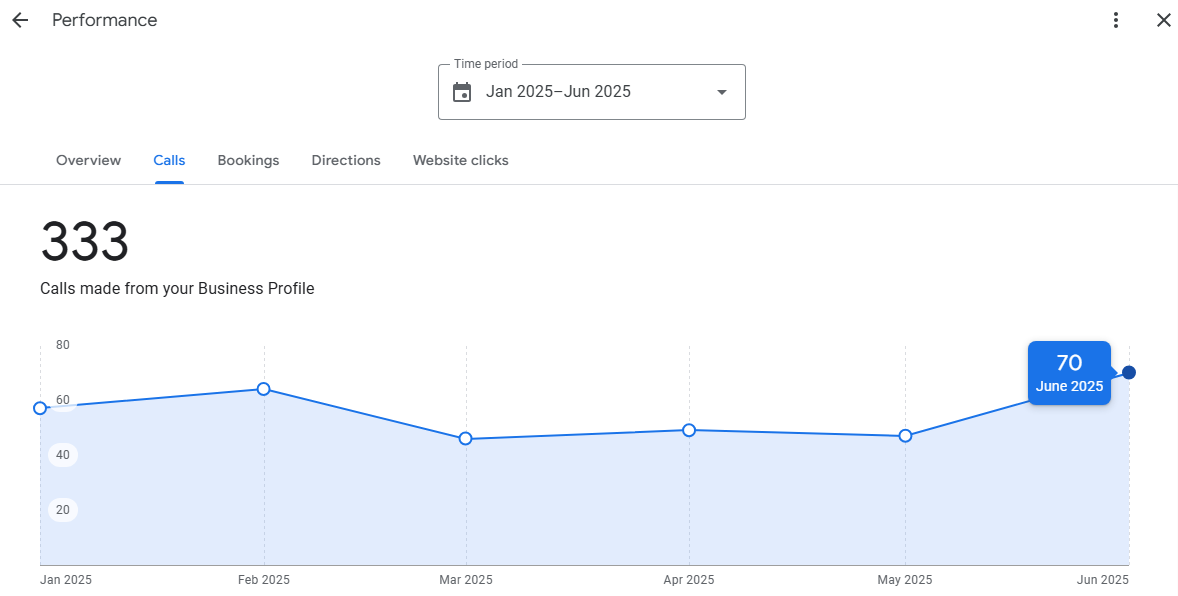
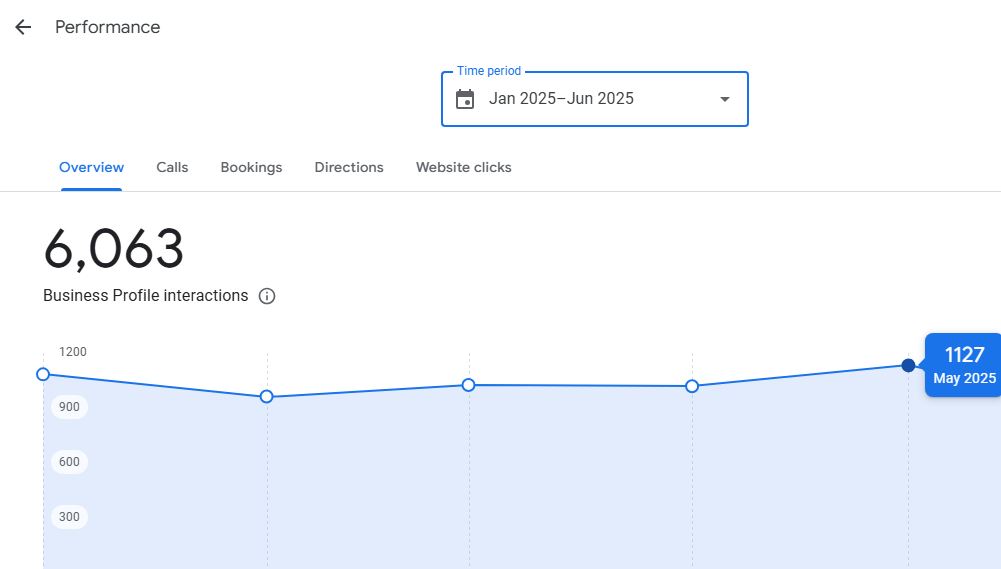
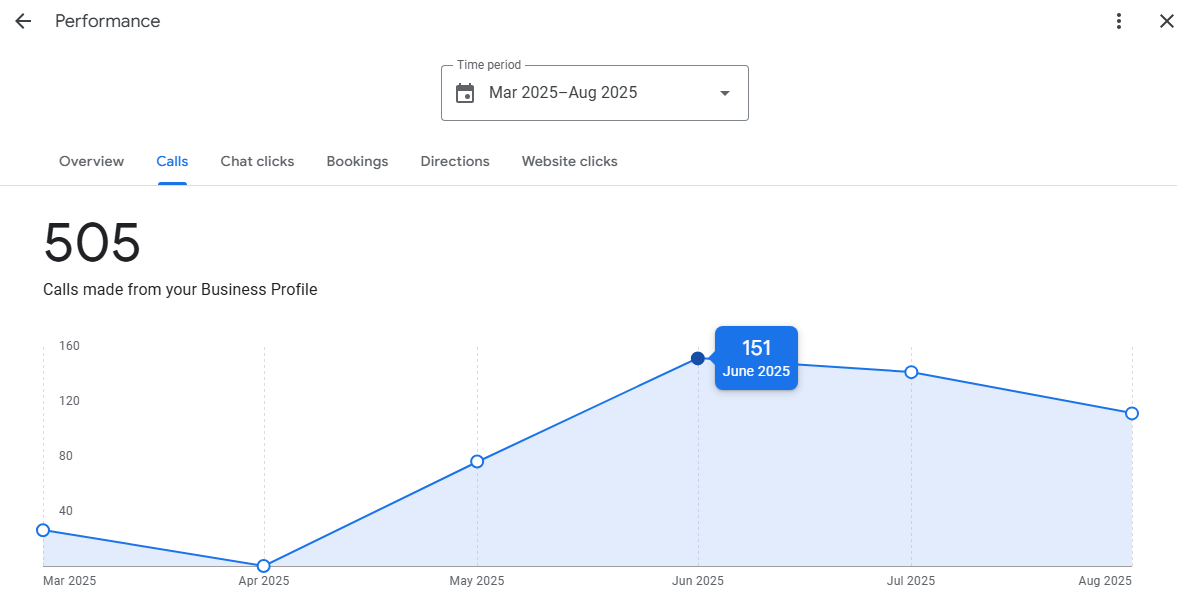
Google Business Profile (GBP) is the foundation of local SEO. Here's how to optimize it:
- Claim Your Profile: Visit Google Business to create or claim your listing.
- Add Complete Details: Provide your business name, address, phone number, website, and business hours.
- Upload Visual Content: Add high-quality photos, videos, and a logo to make your profile visually appealing.
- Enable Messaging: Activate messaging to allow potential customers to contact you directly.
- Respond to Reviews: Engage with your audience by thanking customers for positive reviews and addressing negative ones professionally.
Step 2: Perform a Local SEO Audit
Before diving into optimization, assess your current online presence.
- Check NAP Consistency: Ensure your Name, Address, and Phone number (NAP) are consistent across all platforms.
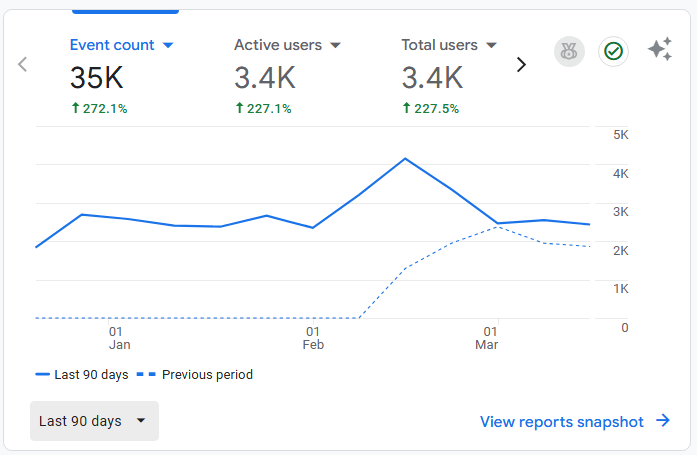
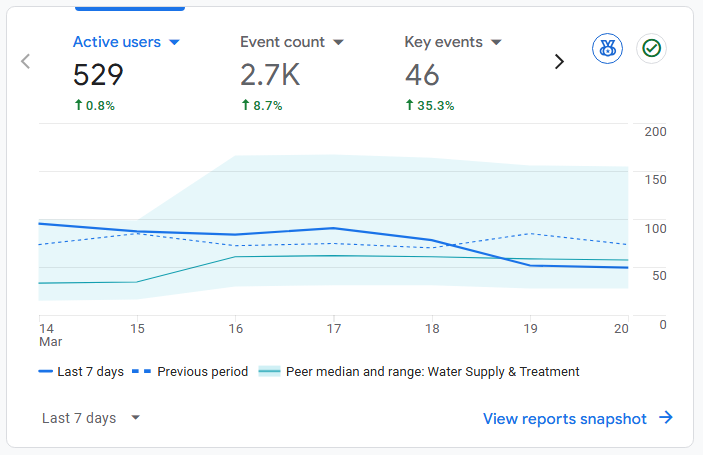
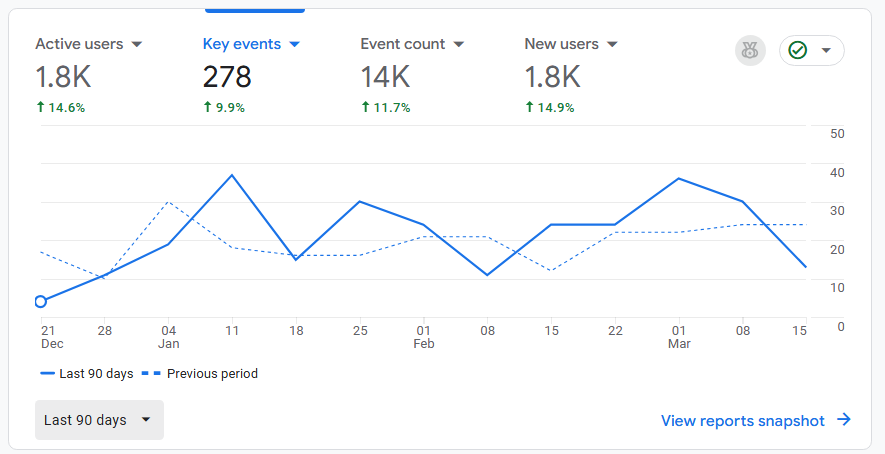
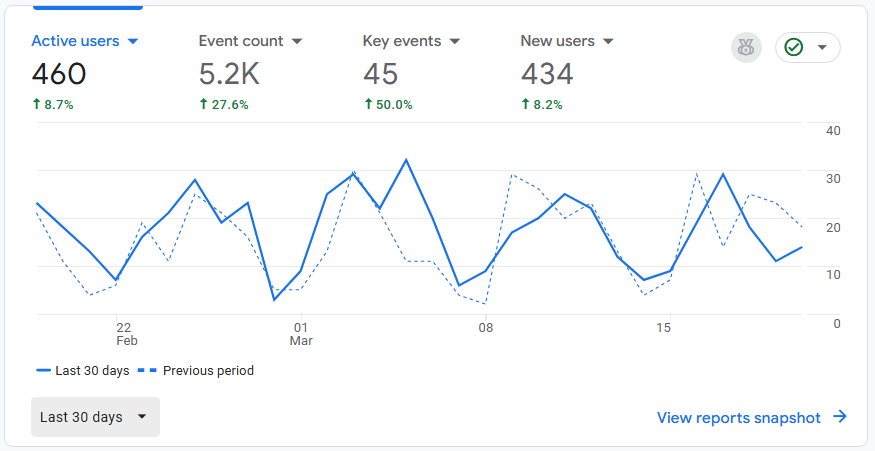
- Analyze Website Performance: Use tools like Google Search Console and Google Analytics to identify website performance issues.
- Review Competitors: Analyze your local competitors to identify gaps and opportunities.
Step 3: Conduct Local Keyword Research
Identify the search terms your local audience uses.
- Use tools like Google Keyword Planner or SEMrush to find keywords with local intent (e.g., “plumbers near me,” “best Italian restaurant in Chicago”).
- Focus on long-tail keywords for better specificity and lower competition.
- Incorporate keywords naturally in your content, titles, and meta descriptions.
Step 4: Optimize Your Website for Local SEO
Your website is your digital storefront—make it work for local customers.
- Create Location-Specific Pages: Build pages targeting specific cities or neighborhoods.
- Optimize Meta Tags: Include your target location in title tags, meta descriptions, and headings.
- Add Contact Information: Display your NAP details prominently on your homepage and footer.
- Embed Google Maps: Show your business location with an embedded Google Map on your website.
Step 5: Leverage Local Directories and Citations
Listing your business on local directories improves your visibility and credibility.
- Submit your business to platforms like Yelp, Yellow Pages, Bing Places, and industry-specific directories.
- Keep your information accurate and consistent across all listings.
Step 6: Build Local Backlinks
Backlinks from reputable local websites can boost your search engine rankings.
- Collaborate with local bloggers and influencers for mentions.
- Partner with nearby businesses for cross-promotions or sponsorships.
- Submit press releases to local media outlets for events or achievements.
Step 7: Encourage and Manage Online Reviews
Reviews play a crucial role in local SEO.
- Ask for Reviews: Encourage satisfied customers to leave reviews on Google, Yelp, or other review platforms.
- Respond Promptly: Show appreciation for positive feedback and address negative reviews professionally.
- Monitor Review Sites: Keep an eye on popular review platforms to manage your online reputation.
Step 8: Focus on Mobile Optimization
Most local searches come from mobile devices, so a mobile-friendly website is vital.
- Use a responsive design to ensure your site works seamlessly on all devices.
- Optimize loading speeds for better user experience.
- Add click-to-call buttons for easy customer contact.
Step 9: Use Local Schema Markup
Schema markup helps search engines understand your business better.
- Add structured data for your business name, address, phone number, hours, and services.
- Use tools like Google’s Structured Data Markup Helper to implement schema.
Step 10: Track and Refine Your Local SEO Strategy
Monitor your performance and adjust your strategy as needed.
- Analyze Traffic: Use Google Analytics to track local traffic sources.
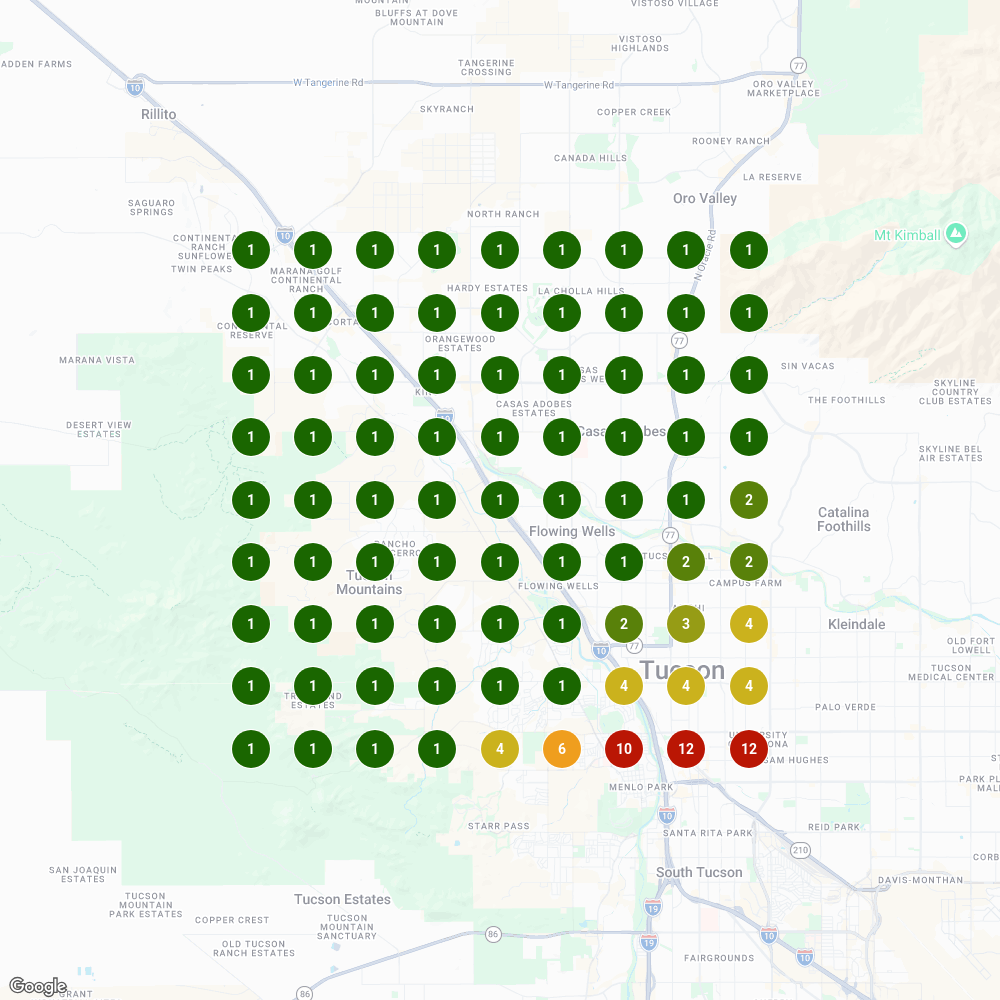
- Monitor Rankings: Keep an eye on your search rankings with tools like Ahrefs or SEMrush.
- Update Content: Regularly update your website and GBP profile with fresh, relevant content.
Author